

New Zealand Elk Hunt Packing List: How We Packed for a 10-Day Backcountry Hunt
Before the hunt begins, every decision matters. Here’s how we packed for a remote 10-day backpack elk hunt in New Zealand.
Packing for a 10-day backcountry elk hunt is an exercise in balance.
Every pound matters. Every piece of gear has a purpose. Forget one essential item, and it can affect the entire hunt.
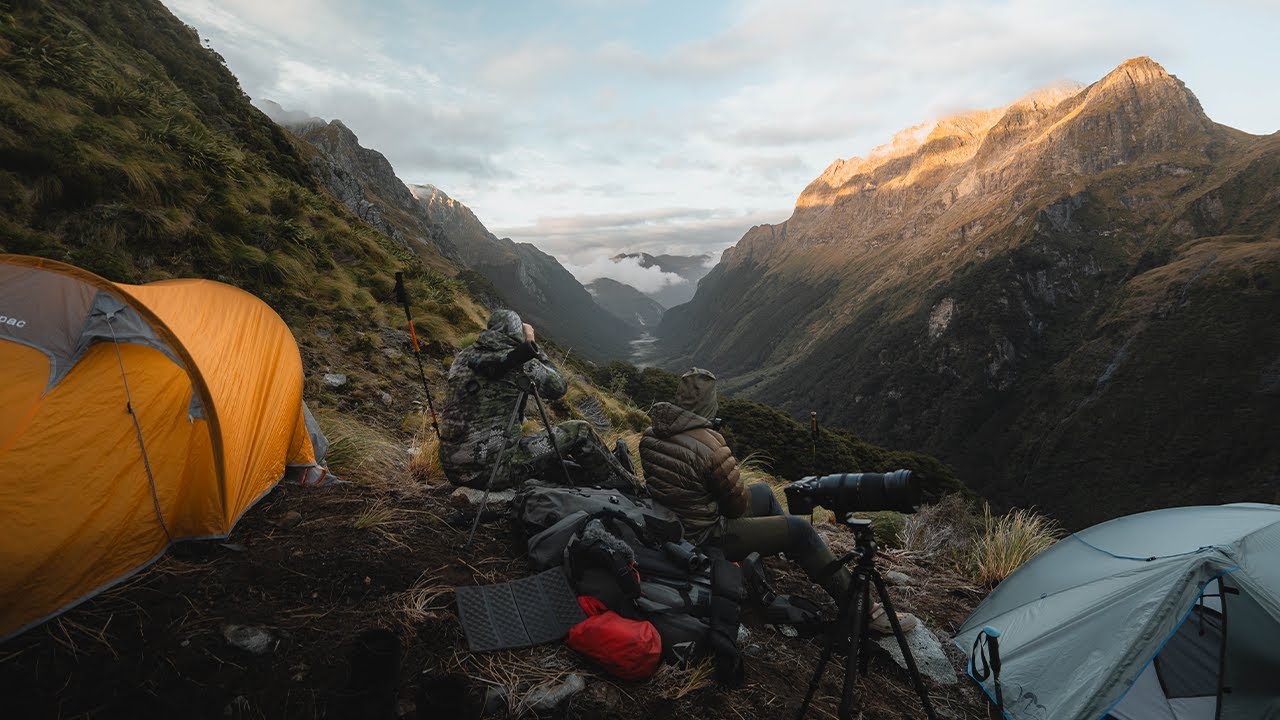
For this trip, the ROKMAN team traveled to New Zealand for a remote backpack elk hunt, carrying nearly everything needed to live comfortably in the mountains for up to ten days. With constant rain, steep terrain, river crossings, and unpredictable weather in the forecast, this would be one of the toughest tests our gear had ever faced.
If you’re planning a backcountry hunting trip, a New Zealand elk hunt, or simply looking for ideas to improve your own packing system, this article breaks down exactly how Brandon prepared before stepping onto the mountain.
Watch the Full Packing Breakdown
Follow Brandon as he walks through every major gear decision before heading into the New Zealand backcountry, from pack selection and footwear to camp setup and organization.
Hunting Conditions: Preparing for New Zealand’s Backcountry
New Zealand isn’t your typical elk hunt.
The country is known for steep alpine terrain, dense vegetation, frequent river crossings, and rainfall measured in meters rather than inches.
Those conditions change how you pack.
Instead of preparing for dry mountain weather, every piece of equipment must be ready to handle extended exposure to rain, mud, and moisture without compromising comfort or performance.
That reality shaped every gear decision before leaving camp.
Building a Modular Backpack Hunting System
One of the biggest advantages on a long backpack hunt is flexibility.
Rather than relying on a single pack, Brandon uses a modular system that changes with the day’s objective.
Camp Hauling
The ROKMAN Basecamp 5000 carried camp equipment during the hike into the backcountry.
Once camp was established, it became weatherproof storage that could remain outside the tent while keeping equipment protected from continuous rain.
Day Hunting
After camp was set, the ROKMAN 3800 Pack became the dedicated day pack.
Mounted to the ROKMAN frame, it carried only the equipment needed during each day’s hunt while maintaining the same waterproof protection.
Instead of constantly repacking gear, the system allows hunters to adapt quickly without sacrificing organization.
Footwear Can Make or Break a Mountain Hunt
Mountain hunting often comes down to what’s on your feet.
For this trip, Brandon selected:
- Crispi boots with a stiff mountain sole for steep sidehilling
- Crispi gaiters for wet vegetation and creek crossings
- Trekking poles for stability on long climbs
- Lightweight Crocs for camp and river crossings
Trekking poles were one of the biggest lessons carried over from previous mountain hunts.
After initially overlooking them on earlier adventures, they’ve become standard equipment for steep alpine terrain, reducing fatigue and improving balance while carrying heavy loads.
Staying Dry Matters More Than Staying Comfortable
Rain was expected almost every day.
That changed the packing strategy considerably.
Rather than simply bringing waterproof clothing, Brandon planned around keeping his entire system dry.
Key decisions included:
- Waterproof hunting packs
- Waterproof camp storage
- Premium rain gear
- Portable boot dryers powered by battery packs
- Extra shelter for prolonged rain events
One interesting addition was a lightweight tipi.
Rather than sleeping inside it, the shelter would serve as a communal space where the group could wait out storms, organize gear, cook meals, and dry equipment during extended periods of rain.
Sometimes carrying a few extra pounds creates a much more enjoyable hunt.
Small Gear Decisions That Make a Big Difference
Long backpack hunts are often won by dozens of small decisions rather than one major purchase.
A few simple items Brandon refuses to leave behind include:
- Wet wipes and toilet paper
- Two Nalgene bottles
- Lightweight camp shoes
- Sidekick pouches for organizing travel gear
- Kill kit and first aid supplies
- Power banks for electronics
Unfortunately, not every lesson was planned.
Because airline regulations require lithium battery packs to remain in carry-on luggage, Brandon accidentally lost all three of his power banks after being forced to gate-check his bag on the final flight into New Zealand.
It was a frustrating reminder that international travel comes with its own set of challenges.
One of the Best Cold Weather Camping Tricks
One of Brandon’s favorite backcountry tips is surprisingly simple.
Instead of climbing into a freezing sleeping bag, boil water before bed and pour it into a durable Nalgene bottle.
Place the bottle inside the foot of your sleeping bag.
The warm water acts like a portable heater, keeping your feet warm throughout much of the night while also providing unfrozen drinking water the following morning.
It’s a simple trick that can make cold mountain camps significantly more comfortable.
How Much Does a 10-Day Hunting Pack Weigh?
Weight quickly became the biggest topic of conversation before leaving camp.
With tents, optics, clothing, rain gear, sleeping equipment, and nearly ten days of food, pack weights climbed rapidly.
Brandon’s pack eventually reached approximately 75 pounds before hiking into the mountains.
While heavier than originally planned, every item represented a tradeoff between comfort, safety, and preparedness.
Backcountry hunting is rarely about packing less.
It’s about packing smarter.
Lessons Before the Hunt Even Began
One of the most valuable parts of every adventure happens before the first animal is ever spotted.
Preparing.
Testing equipment.
Learning from previous mistakes.
Refining systems.
Every hunt teaches something new, and each trip improves the next one.
That’s why these packing videos matter.
They aren’t just gear lists.
They’re a look into the decision-making process behind successful backcountry hunting.
Frequently Asked Questions
What pack should you use for a 10-day backcountry elk hunt?
A modular pack system works well because it allows you to haul camp into the mountains before switching to a lighter day pack once camp is established.
Why are waterproof hunting packs important?
Extended rain, river crossings, and wet vegetation can soak traditional packs. Waterproof packs help keep sleeping bags, clothing, food, and electronics protected throughout the hunt.
How heavy should a backpack hunting pack be?
Pack weight varies depending on terrain, weather, and trip length. For extended hunts with food and camping gear, packs between 50 and 75 pounds are common.
What footwear is best for steep mountain hunting?
Stiff mountain boots paired with trekking poles provide better support, reduce fatigue, and improve stability on steep slopes and uneven terrain.
What should every backcountry hunter pack?
Essentials include reliable rain gear, waterproof storage, quality footwear, navigation tools, first aid supplies, water bottles, lighting, food, emergency communication, and a system for keeping critical gear dry.
Watch the Adventure Begin
This video captures the planning that happens before stepping into the mountains.
The hunt itself is still ahead.
Watch the full packing breakdown above, then follow along as the ROKMAN team begins their New Zealand backcountry elk hunt and puts every piece of gear to the test.
Alaska Mountain Goat Hunt: Two Billies, Brutal Weather, and a Once-in-a-Lifetime Adventure
An Elk Hunt Few Will Ever Experience | New Zealand Wapiti